
How a creative agency is building a platform that thinks like their team
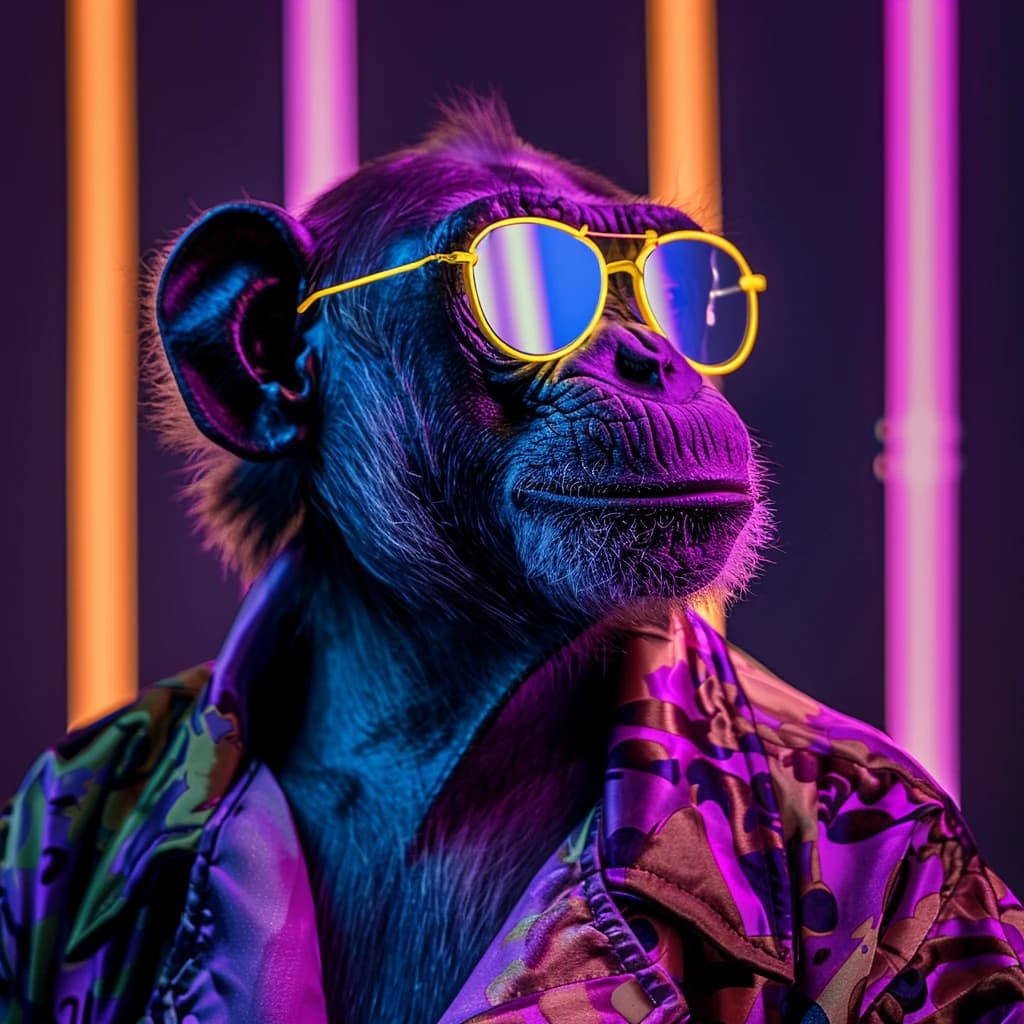
A new age agency in Amsterdam
Trojan Monkeys is a creative agency in Amsterdam that positions itself at the intersection of traditional creative work and AI. About ten people, a full client roster, and a way of working built on deep strategic thinking before any creative concept sees the light of day. Research, strategy, insights, then ideas. That's the process, and it's what makes their work good.
They'd already been experimenting with AI tools, had a basic AI buddy for brainstorming, but it was surface-level. It didn't know their clients, didn't understand their methodology, and every conversation started from zero. They wanted something that actually worked the way they think.
Where it started: automated image generation
The first project was focused and practical. The team spent a lot of time generating AI images and content for campaigns, but the process was manual and repetitive. Import guidelines from the brief, set up the parameters, generate variations, review, adjust, repeat.
We built a system where they could import the static elements from a brief, their guidelines and constraints, and the system would output different mockups based on those inputs. It automated the grunt work around how they normally generate AI content, so the creatives could spend their time choosing and refining instead of setting things up over and over.
That project proved the concept: you can take how a creative team works and encode it into a system that does the repetitive parts for them.
Now: a creative platform built around their methodology
The bigger project is what we're building right now. A full creative platform with their knowledge and methodology embedded into it. Not a generic AI chat, but an intelligence layer that understands the context of every client at all times, without having to be fed the same information over and over.
The platform has multiple specialized agents, each designed to think the way different parts of their team think. One handles strategic insights, analyzing markets, consumers, and brands using the frameworks and truths that Trojan Monkeys actually uses. Another does research, pulling from real sources and filtering through the lens of what matters for the creative sector. A third generates content concepts following their creative approach.
All of it sits on top of a client context layer. Every client has a profile with their brand guidelines, previous campaigns, strategic decisions, and feedback history. The agents draw from that context automatically, so the output isn't generic. It's informed by everything the team already knows about that client.
Built to grow with the team
The platform is designed to be extensible. APIs are in place to connect other tools the team uses, so it can plug into their broader workflow instead of being a standalone thing. As the team discovers new ways to use it, the system can grow with them.
This project is ongoing. We're building it out together, iterating based on how the team actually uses it and what they need next. That's how we work: not a big-bang delivery followed by a handoff, but a continuous partnership where the system evolves alongside the people using it.
The goal is simple. The creative team should spend their time on creative work, not on setup, context gathering, and repetitive research. The platform handles that, thinking the way they think, so they can focus on the part that only humans can do.
