
How the Netherlands' largest university hospital built an AI-driven marketing team
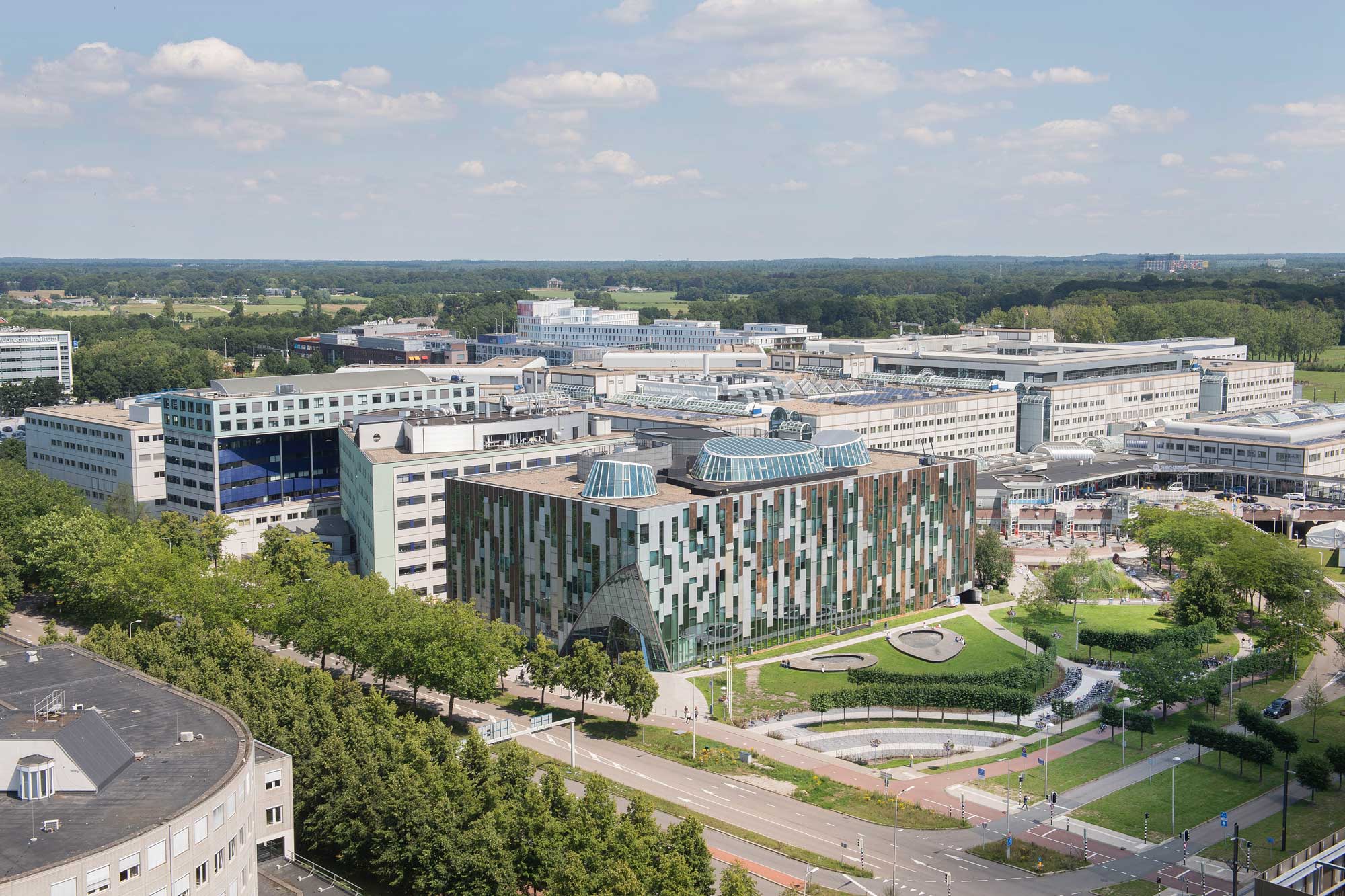
The Netherlands' largest university hospital
UMC Utrecht is where cutting-edge medicine meets education and research. Over 12,000 employees. 228,000 patients a year. Six medical specializations, from oncology to child health. Located in the heart of Utrecht Science Park, part of Europe's most competitive health region. Its mission is clear: advance healthcare through the integration of care, research, and education.
All the tools. Nobody logged in.
The marketing team, just 60 people, was responsible for communicating across the entire organization. Every department, every specialization, every audience. They had invested in all the right tools: Google Analytics, SEMrush, social dashboards, media monitoring. But the data sat unused. Insights were ad-hoc, person-dependent, and always came too late. The small digital team became a bottleneck, not an enabler.
Els Timans, who joined from Unilever to lead digital marketing, saw the disconnect immediately: "We couldn't really work data-driven, because the team was too small. And honestly, marketing was a bit of a dirty word in the hospital."
This is not an AI story
The question was never "What can we do with AI?" It was: how do we increase our communication impact without adding people or budget?
In a hospital, every euro spent inefficiently on marketing is a euro that could go to patient care. UMC didn't need another dashboard. They didn't need another platform. They needed a system that would bring relevant insights directly to the people who needed them, without requiring anyone to learn a new tool.
Six new team members. None of them human.
Together with Lerai, UMC Utrecht built a team of specialized AI agents, each with a clear responsibility. One monitors news developments. One analyzes search behavior and identifies opportunities. One interprets website performance. One tracks social signals. A coordinator brings it all together, cross-references the findings, and produces a weekly intelligence report for each medical theme.
These reports, called Pulses, land directly in the inbox of theme teams. No logins required. No dashboards to check. Each Pulse contains trending topics, keyword opportunities with real search volumes, quick-win content ideas with effort estimates, and competitor analysis. The team also gets custom AI assistants for writing, social media, and SEO, so they can act on every signal immediately.
"Bring the work to the person," says Els. "Not the person to the system."
From dirty word to front page
Within weeks of acting on a Pulse recommendation, UMC Utrecht ranked #1 on Google for "bacteriofagen", a topic with 1,600 monthly searches and zero competition that the system had flagged as a quick win.
But the real transformation was cultural. Spokespeople who had never worked with marketing data started engaging with the Pulses. A cardiologist's spokesperson saw a connection between heart rhythm disorders and a trending smartwatch story and said: "Wow, this is really incredibly fun."
In February 2026, Els and Tijs presented the case at Emerce AI Agents Day, the largest marketing technology event in the Netherlands, under the title: "6 new team members. None of them is human." The presentation showed how a small hospital marketing team could match the output of departments ten times its size, not by hiring, but by building intelligence into the workflow. The case was also featured at AIMC, one of the leading AI in marketing conferences in the Netherlands.
"AI doesn't make things more complicated," says Els. "It makes things easier. It reaches people you'd normally never reach with data."
