How a specialized manufacturer turned hundred-page tenders into structured action lists in minutes
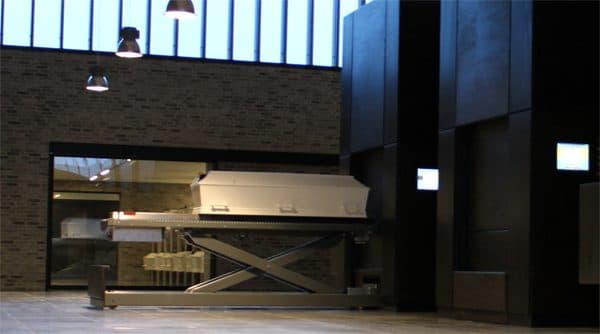
The company behind 75 crematoria across Europe
DFW Europe designs, builds, and installs cremation equipment for clients across the continent. Over 75 crematoria in Europe run on their systems. They operate in an extremely niche market with roughly ten serious competitors worldwide, and recently developed the world's first fully electric cremator, using 85% less energy than traditional gas systems.
Their clients are mostly governments and public institutions, which means winning new work comes down to tenders. European procurement rules, strict requirements, and formal evaluation processes. Every tender is an opportunity that can define a quarter or even a full year.
Tenders that take days to get through
A typical tender for DFW is hundreds of pages long, often in multiple languages. Dutch, English, Danish, sometimes Icelandic. Buried in those pages are the details that determine whether they win or lose: location-specific requirements, equipment specifications, penalty clauses, payment terms, warranty conditions, delivery deadlines, and award criteria weighting.
Two people on the team handle the bulk of this work. They know what to look for because they've done it for years. They know which details matter in Denmark versus Iceland, which clauses signal risk, and how to read between the lines of procurement language. But all of that expertise lived in their heads, and every new tender meant going through the whole thing manually, line by line. A single analysis could easily take days.
Building a system that thinks like the tender team
We didn't build a generic document reader. We worked closely with the team to understand how they actually analyze a tender. What do they look for first? What patterns signal risk? Which country-specific details matter? How do they compare requirements against their own terms and conditions?
All of that became the foundation. The system now processes tender documents and extracts requirements, deadlines, and action items, each with page number references so the team can verify anything in seconds. It flags the same things they would flag, following the logic they've built up over years of experience.
The goal was never to replace their judgment. It was to give them a head start so they can focus on the decisions that actually matter, instead of spending days just getting through the paperwork.
From days to minutes
What used to take days of careful reading now produces a structured analysis in minutes. The system achieves roughly 85% accuracy on requirement extraction, with simpler tenders approaching near-perfect results. Every extracted item comes with a page reference, so verification is fast and focused.
The tender team still makes every final call. They review, adjust, and decide. But instead of starting from a blank page and hundreds of unread documents, they start from a structured overview that already speaks their language. In a market where a single won tender can be worth hundreds of thousands of euros, that difference in speed and thoroughness directly impacts the bottom line.
What comes next
The tender analysis was the starting point. The next phase is building out a complete tender response platform: document generation in DFW's own format and tone, a knowledge base of previous tenders so the team can learn from past bids, and management summaries that give leadership a clear picture without reading hundreds of pages themselves.
The foundation is there. The expertise is encoded. Now it's about turning analysis into action, so DFW can respond to more tenders, faster, with the quality that earned them 75 crematoria across Europe.